
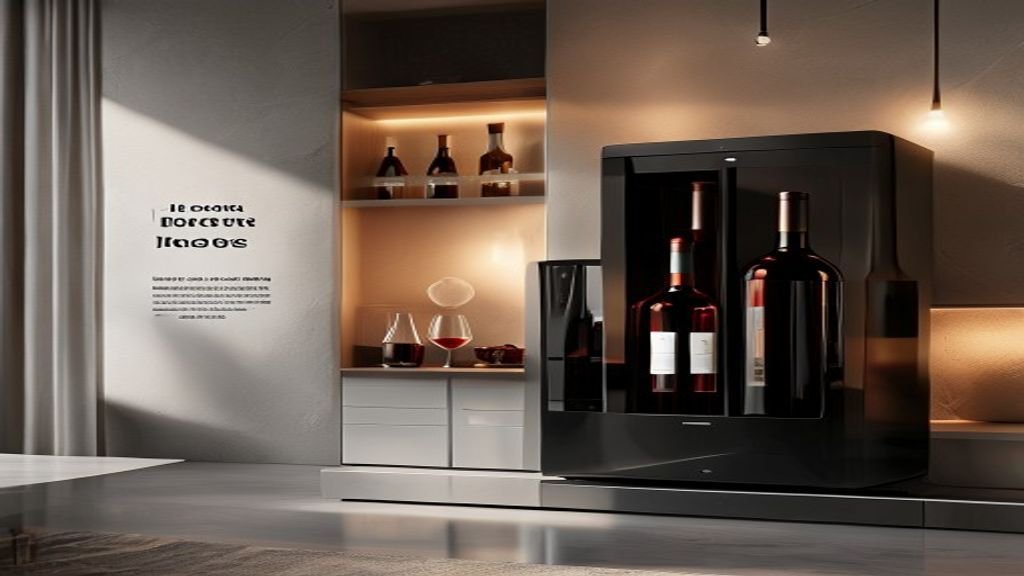
If you’ve ever wondered how long does red wine last opened, you’re not alone. The answer depends heavily on storage conditions — and that’s where a dual-zone wine cooler changes everything. Whether you’re cellaring a bold Cabernet or chilling a crisp Sauvignon Blanc, keeping your wine at the right temperature extends its life dramatically. In this guide, we’ll explore wine storage science, fridge capacity, and the smartest ways to organize your collection — from a compact wine cooler 150 bottles setup down to the everyday keeper you pour from nightly.
How Long Does Red Wine Last Opened — And What Changes It?
Once you pop the cork, oxygen begins interacting with the wine. This process softens tannins and releases aromas at first — but over time, oxidation leads to flat, sour, or vinegar-like flavors. So how long does red wine last opened before it turns? With proper storage in a cooler, most reds stay enjoyable for 3–5 days. Full-bodied wines like Cabernet Sauvignon or Syrah can stretch to 5–7 days, while lighter reds (Pinot Noir, Beaujolais) top out around 3 days.
Temperature Is the Deciding Factor
Room temperature accelerates chemical reactions — including spoilage. A wine stored at 70°F oxidizes roughly four times faster than one kept at 55°F. This is why a dual-zone wine cooler, like the Nipus 24-inch model with an upper zone of 40–50°F and a lower zone of 50–66°F, is invaluable. By storing your open red in the lower zone (around 55–60°F), you effectively double its drinkable window compared to leaving it on the counter.
Recork, Vacuum, or Inert Gas?
The simplest method is recorking tightly and placing the bottle upright in the cooler — less surface area exposed to oxygen. Vacuum pumps can buy an extra day or two. For collectors with larger cellars, inert gas sprays (argon or nitrogen) create a protective blanket that can extend opened reds to two weeks or more. Pair any of these methods with consistent cooler temperature, and you maximize every pour.
Dual-Zone Cooling: Why One Temperature Doesn’t Fit All
Not all wines thrive at the same temperature. White wines and Champagne are best served chilled between 40–50°F. Reds reveal their complexity best between 50–66°F, depending on the varietal — lighter reds on the cooler side, bold reds slightly warmer. A single-zone fridge forces you to compromise. A dual-zone wine cooler solves this by providing independent climate control for each compartment.
The Nipus 24-inch cooler delivers precisely this: an upper zone for whites, rosés, and sparklings, and a lower zone for reds. Reddit community discussions on r/wine frequently highlight the importance of separate zones for serious enthusiasts — especially those aging bottles for years. As one user noted, concerns about cooler lifespan over decades-long aging are real, which is why choosing a unit with a robust compressor (like the Nipus backed by a 3-year compressor warranty) matters for long-term peace of mind.
Can You Fit a Wine Cooler 150 Bottles Under Your Counter?
For serious collectors, capacity is everything. The idea of a wine cooler 150 bottles sounds ideal — and many built-in units at 24-inch width can pack that many bottles with careful shelving. However, most standard 24-inch coolers max out around 46 bottles for wine-only storage. To reach 150 bottles, you typically need a wider (30″–36″) or taller unit, or you can combine a wine cooler with a separate beverage fridge.
The Nipus dual-zone model, for example, holds 46 standard wine bottles and up to 57 cans in its beverage zone — an excellent hybrid solution for home bars. Its six glide-out beechwood shelves accommodate Bordeaux and taller Riesling bottles alike, and the front-venting design allows flush built-in installation under standard countertops. If you’re considering a wine cooler 150 bottles configuration, think about stacking or side-by-side units, and always verify depth and clearance for built-in placement.
The Best Wine Holder for Everyday Access
A good wine holder isn’t just about storage — it’s about preservation and presentation. The ideal wine holder keeps bottles at a slight downward angle so the cork stays moist (for cork-sealed wines), prevents vibration that disturbs sediment, and blocks UV light that degrades wine prematurely.
The Nipus cooler ticks all these boxes. Its tempered glass door with stainless steel frame filters out harmful UV rays. The beechwood shelves absorb vibration far better than wire racks. And the reversible hinge means you can position the cooler to open left or right — an often-overlooked feature that makes a huge difference in tight kitchen or bar layouts. The soft blue LED interior adds a refined glow without introducing heat, so your collection stays pristine and beautifully displayed.
Built-In vs. Freestanding: Which Installation Works for You?
Many homeowners assume a wine cooler must sit out in the open. In reality, front-venting compressor designs — like the one in the Nipus cooler — allow built-in installation beneath counters with zero side clearance required. This creates a seamless, custom-cabinetry look while keeping your wine at the perfect temperature.
Freestanding placement works well for home bars, media rooms, or dining areas. Either way, the Nipus unit runs at a whisper-quiet 38 dB — quieter than a library — so it won’t compete with conversation or entertainment. The digital touch panel and memory function (which restores settings after a power outage) add everyday convenience that frequent Reddit threads about cooler frustrations show is highly valued by real owners.
Evidence & Further Reading
Real-world discussions from the wine community and neutral reference sources provide helpful context around wine cooler use and wine shelf life:
- Reddit community members on how long unopened wine coolers last — practical firsthand experience about storage timelines.
- Reddit wine enthusiasts discuss wine cooler lifespan concerns when aging bottles over many years.
- Wikipedia reference on wine storage fundamentals — general background for temperature and aging principles.
Key Takeaway: The question how long does red wine last opened has a straightforward answer when you control the environment: 3–5 days with recorking in a proper cooler, and up to a week for bold reds. A dual-zone wine cooler like the Nipus 24-inch model gives you independent temperature zones for reds and whites, 46-bottle capacity with premium beechwood shelving, UV protection, whisper-quiet operation, and flexible built-in or freestanding installation. Whether you’re exploring a wine cooler 150 bottles expansion plan or simply want the perfect wine holder for daily enjoyment, the right cooler is the single best investment you can make for your collection’s longevity and taste. Backed by a 1-year parts-and-labor warranty plus 3-year compressor coverage, it’s protection you can pour with confidence.